
Ultrasound Tech: A SHOCKING Salary for a 2-Year Medical Degree
This expert review provides a step-by-step guide to becoming a high-paid Diagnostic Medical Sonographer, one of the fastest-growing careers in healthcare.
Are you searching for a stable, high-paying career in the medical field but feel discouraged by the thought of a decade of school and massive student debt? There is a “sweet spot” in healthcare that many people overlook. It offers a rewarding, six-figure career that is attainable in as little as two years. This is the world of the **Ultrasound Tech**, or more formally, the Diagnostic Medical Sonographer.
This comprehensive expert review is your roadmap to entering this exciting and fast-growing field. We will analyze the compelling data on salary and job growth, break down the day-to-day responsibilities, and provide a clear, step-by-step guide on the educational path. Ultimately, this article will help you decide if this is the right career move for you.
The Healthcare Sweet Spot: High Pay, High Demand, Less Schooling
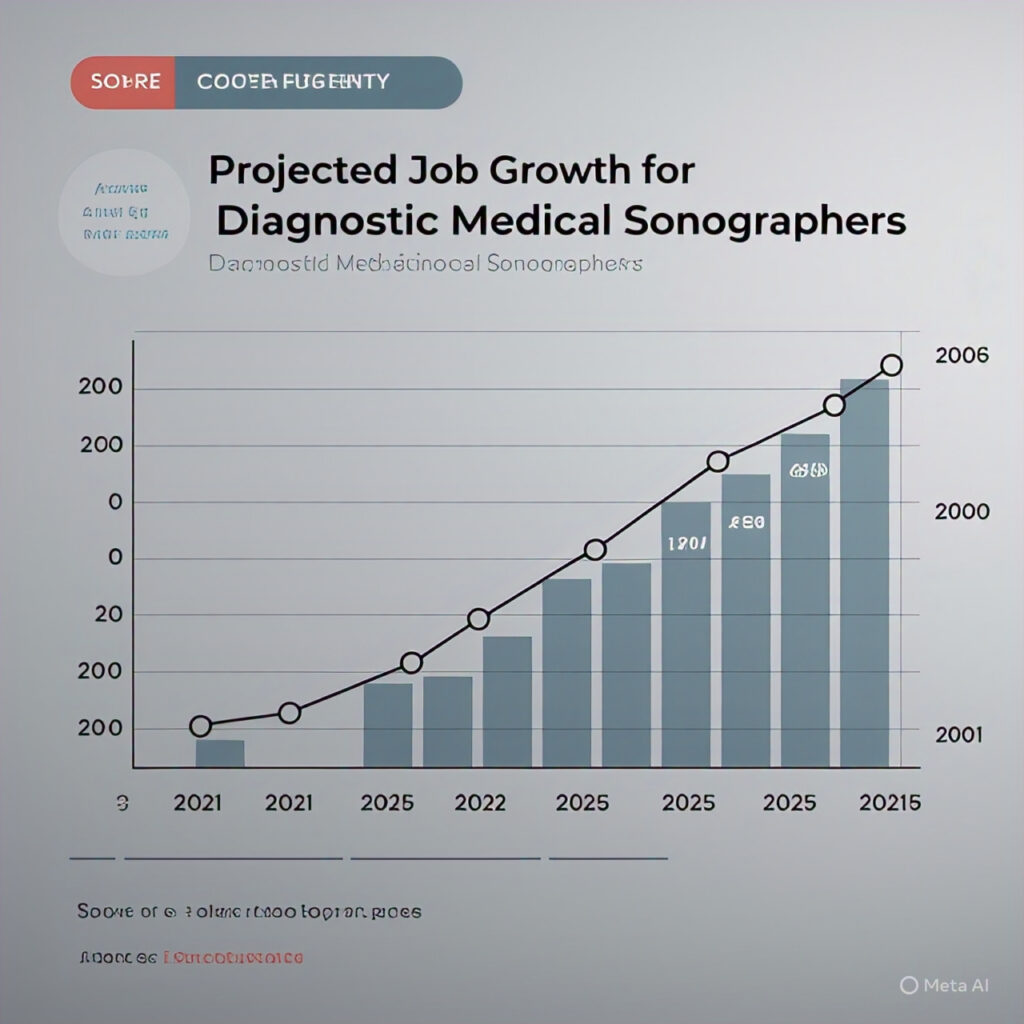
The biggest challenge for aspiring healthcare professionals is often the massive commitment of time and money. For many, this makes becoming a doctor or nurse feel out of reach. The **Ultrasound Tech** career path, however, presents a powerful alternative. The **U.S. Bureau of Labor Statistics (BLS)** provides some very compelling data. For instance, it reports that the median annual salary for sonographers is over **$84,000**. Perhaps even more importantly, the field is projected to grow by **14%** between 2022 and 2032, which is much faster than the average for all occupations. The need for these professionals is clearly booming. For other related careers in healthcare you should consider visiting the **USA Government official job website!**

What makes this so attractive is the entry point. While a bachelor’s degree is an option, the most common path into the field is a two-year Associate of Science degree from a community college or vocational school. This combination of high pay and a shorter educational track is why so many people are exploring this career.
Beyond the Baby Scan: What Does an Ultrasound Tech Actually Do?
When most people hear “ultrasound,” they think of pregnancy. While OB/GYN sonography is a major specialization, it’s just one piece of a much larger puzzle. The historical root of the technology, which dates back to the 1950s as documented by the journal **Radiology**, has expanded dramatically. Today, Diagnostic Medical Sonographers are crucial to nearly every field of medicine.

On any given day, an ultrasound tech might be using sound waves to create images of the heart (echocardiography), to examine blood flow in veins and arteries (vascular sonography), or to guide a surgeon during a biopsy. Consequently, it’s a job that requires a unique blend of technical skill, deep anatomical knowledge, and excellent patient communication. If this sounds appealing to you, you might want to consider looking at other interesting career paths that also give you the opportunity to use new technology to assist people on a daily basis. For example you can become an expert on how **hidden-gem-series** could become the new cinema!
The Roadmap to a Six-Figure Career: Your Step-by-Step Path
The path to becoming a sonographer is clear and structured. Unlike some career fields, it’s not a mystery. It involves three key stages: education, certification, and specialization.
Step 1: Get the Right Education
Your journey begins with finding an accredited program. The gold standard for accreditation is **CAAHEP (Commission on Accreditation of Allied Health Education Programs)**. Graduating from a CAAHEP-accredited program is the most direct path to becoming eligible for your certification exams. You have a few options for your education:
- Associate of Science (2 years): The most common and fastest path into the profession.
- Bachelor of Science (4 years): This can be a great option for those who want a broader education or plan to move into leadership roles later on.
- Certificate Program (12-24 months): This is designed for people who already have a degree in another health-related field.
Step 2: Get Certified
After graduation, the next step is earning your professional certification. The most respected credential in the United States is from the **ARDMS (American Registry for Diagnostic Medical Sonography)**. In fact, earning your ARDMS credentials is a requirement for most top employers. It is the official seal of approval that proves your knowledge and skill.
The Future of the Field: AI and Portable Technology
Is sonography a future-proof career? All signs point to yes. For instance, two major technological trends are set to make sonographers even more valuable. The first is the rise of portable, handheld ultrasound devices. These tools are bringing diagnostic imaging out of the hospital and into smaller clinics, doctor’s offices, and even ambulances. This greatly expands the demand for skilled techs.
The second trend is the integration of Artificial Intelligence. As reported in publications like **Forbes**, AI is being developed to assist sonographers by automating routine measurements and even highlighting potential areas of concern on a scan. Importantly, this technology is not a replacement for the tech. Instead, it is a powerful tool that will augment their skills, allowing them to perform their jobs faster and more accurately than ever before.
Final Verdict: One of the Best Careers in Healthcare
After a comprehensive review of the data, the educational paths, and the future outlook, our expert analysis is clear. A career as an **Ultrasound Tech** is one of the most compelling and intelligent choices in the modern healthcare landscape. In fact, it offers an almost unparalleled blend of high earning potential, strong job security, and a direct, hands-on role in patient care. Best of all, it achieves all this through a focused and relatively short educational path, making it a brilliant return on investment.
For career changers or students looking for a way to enter the medical field without the extreme costs of medical school, this path deserves serious consideration. We highly recommend starting by researching **CAAHEP-accredited programs** in your area. Additionally, a great next step is to explore related medical topics, like our expert analysis of a balanced diet.