Quinoa vs Brown Rice: The Definitive Guide to Your Healthiest Choice
Stuck in the grain aisle? This in-depth expert analysis settles the debate, moving beyond the hype to give you a clear verdict on which grain is superior for your specific health goals.
In the world of healthy eating, the Quinoa vs Brown Rice debate is a classic. Both have earned a reputation as wholesome alternatives to refined grains, but which one truly deserves the top spot on your plate? This is more than a simple comparison; it’s an expert review designed to end your decision paralysis. We’ll analyze the hard data, explore the historical context of these powerful foods, and deliver a clear, goal-oriented verdict to help you make the optimal choice for your body and your lifestyle.
A Tale of Two Grains: Historical Context
Before we dive into the numbers, it’s important to understand the different journeys these foods have taken. Brown rice is an ancient staple, a cornerstone of agriculture that has sustained civilizations for millennia. Its history is one of tradition and global cultivation. Quinoa, while equally ancient, was revered by the Incas as the “mother of all grains” but remained largely unknown outside the Andes until recently. Its global explosion happened after the United Nations declared 2013 the “International Year of Quinoa,” an event chronicled by news outlets like NPR, which celebrated its potential to fight global hunger. This shift from regional crop to global superfood explains its higher price point and trendy status today.
The Nutritional Showdown: A Head-to-Head Data Analysis
Let’s get straight to the facts. How do these two contenders stack up when you compare them side-by-side? The data below is based on one cooked cup (approximately 185g) and sourced from the USDA FoodData Central database, the gold standard for nutritional information.
| Nutrient (per cup, cooked) | Quinoa | Brown Rice | Winner |
|---|---|---|---|
| Calories | 222 | 216 | Brown Rice (Slightly) |
| Protein | 8.1 g | 5.3 g | Quinoa |
| Fiber | 5.2 g | 3.5 g | Quinoa |
| Net Carbs | 34.2 g | 41.3 g | Quinoa |
| Glycemic Index (GI) | ~53 | ~68 | Quinoa |
| Magnesium | 30% DV | 21% DV | Quinoa |
| Iron | 16% DV | 5% DV | Quinoa |
Expert Analysis: The Data Doesn’t Lie
From a purely nutritional standpoint, quinoa is the clear winner in most categories. It packs significantly more protein, fiber, and essential minerals like magnesium and iron into a similar calorie count. Its lower glycemic index also makes it a superior choice for blood sugar management. While brown rice is an excellent food, quinoa is simply more nutrient-dense.
The Protein Powerhouse: Why Quinoa’s “Complete Protein” Matters
You hear the term “complete protein” a lot, but what does it actually mean for you? Your body needs nine essential amino acids—the building blocks of protein—to build muscle, repair tissue, and function properly. Most plant-based foods are “incomplete,” meaning they lack one or more of these essential aminos. Brown rice is one of them.
Quinoa, however, is a rare exception. As confirmed by the Harvard T.H. Chan School of Public Health, it contains all nine essential amino acids, making it a complete protein source on par with animal products. This is a game-changer, especially for those on plant-based diets or athletes focused on muscle recovery after intense sessions like HIIT training.
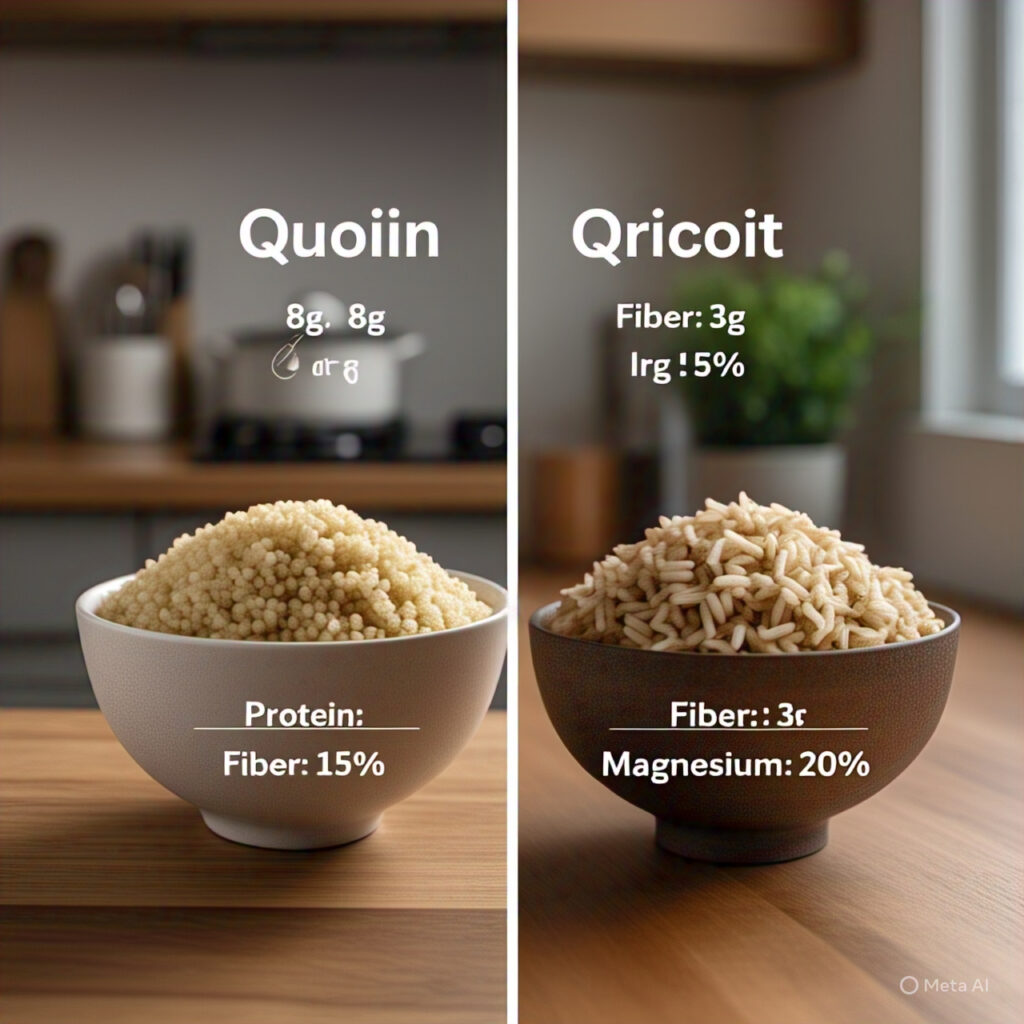
This dietitian-led video breaks down the key nutritional differences in a clear and visual way, reinforcing the data presented above.
The Final Verdict: Which Grain Wins for YOUR Specific Goal?
The “best” grain isn’t a universal title; it depends entirely on your personal health objectives. Here is our expert verdict for the most common goals.
Analysis of Common Health Concerns: Arsenic and Saponins
No food is perfect. Both quinoa and brown rice come with minor concerns that are important to address, though both are easily managed.
Brown Rice and Arsenic
Rice is known to absorb arsenic from the soil and water it grows in more than other grains. Brown rice tends to have higher levels than white rice because the arsenic accumulates in the outer bran. While this sounds alarming, health authorities are not advising to stop eating rice. The FDA’s official advice is to eat a varied diet of different grains to mitigate any potential risk. So, enjoy your brown rice, but also mix in other grains like quinoa, oats, and barley throughout the week.
Quinoa and Saponins
Quinoa has a natural outer coating called saponin, which can taste bitter or soapy. It exists to protect the plant from pests. Fortunately, the solution is incredibly simple: rinse your quinoa thoroughly in a fine-mesh sieve under running water for about 30-60 seconds before cooking. Most packaged quinoa today comes pre-rinsed, but an extra rinse is always a good idea.
The Practical Guide: Taste, Texture, and Kitchen Versatility
Nutrition is only half the battle; if you don’t enjoy eating it, you won’t stick with it.
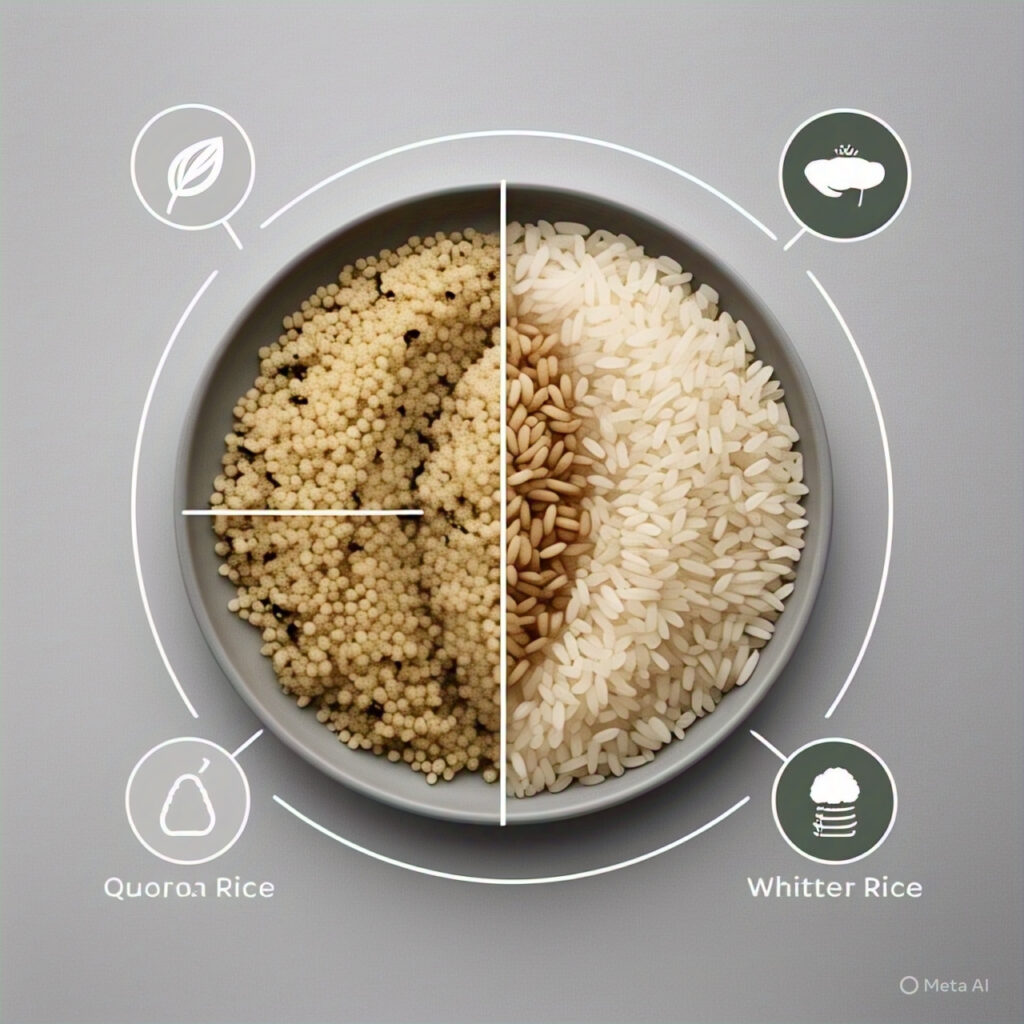
- Taste & Texture: Brown rice has a nutty, chewy, and firm texture that holds up well in soups, stews, and casseroles. Quinoa is much lighter and fluffier, with a more delicate, slightly earthy taste. Its texture makes it perfect for salads and grain bowls where you don’t want a heavy base.
- Cooking Time: Quinoa is the clear winner here. It typically cooks in just 15 minutes. Brown rice requires a longer simmer, usually around 40-50 minutes. If you’re short on time, a rice cooker with a quinoa setting can make the process for both grains foolproof.
- Versatility: Both are incredibly versatile. Brown rice is a fantastic substitute in any dish that calls for white rice. Quinoa’s fluffy texture allows it to be used in salads, as a breakfast porridge, or even in baked goods.
Frequently Asked Questions (FAQ)
Overall Expert Verdict: The Best Diet Includes Both
While our analysis shows that quinoa is nutritionally superior in most head-to-head matchups, the true winner is variety. The healthiest diet is not about choosing one “superfood” but about incorporating a wide range of whole foods. Use quinoa for its protein power, mineral density, and blood sugar benefits. Use brown rice for its affordability, sustained energy release, and comforting texture. By understanding the unique strengths of the Quinoa vs Brown Rice matchup, you can move beyond the debate and use both to build a smarter, healthier, and more effective meal plan. For those interested in exploring new healthy habits, consider starting with a mindful morning routine.
References & Further Reading
- USDA FoodData Central
- Harvard T.H. Chan School of Public Health – The Nutrition Source
- NPR – “U.N. Declares This The International Year Of Quinoa”
- U.S. Food & Drug Administration (FDA) – “Arsenic in Rice and Rice Products”
- American Diabetes Association – “Glycemic Index and Diabetes”
- EurekAlert! (AAAS) – “Quinoa provides greater satiety than other cereals”
- World Health Organization (WHO) – “Healthy diet” Fact Sheet