
Minimalist Home Guide: Is Your Clutter Killing Your Joy?
A deep-dive analysis into reclaiming your space and your sanity.

Exploring the narrative depth of minimalism through a lens of classic storytelling.
Modern life feels heavy. We own more stuff than ever before. Yet, we feel more stressed and less satisfied.
Our expert review found that a minimalist home is the best cure for modern anxiety. Physical clutter creates mental noise that never stops.
According to BBC News, clutter actually raises cortisol levels in your brain. This “visual noise” keeps your body in a constant state of low-level stress.
You can start your journey today with a digital detox to clear your mind first. Once your head is clear, your home can follow.
Our Verdict: The Minimalist Shift
We rate the minimalist lifestyle a 9.5/10 for mental health improvement. It is the most effective way to lower daily stress without spending a dime.
Pros: Faster cleaning, better sleep, more money saved, and instant peace of mind.
Cons: Initial emotional difficulty when letting go of sentimental items.
The Philosophy of “Less is More”
Minimalism is not a new trend. It has deep roots in Minimalist Architecture and the works of Mies van der Rohe.
Historically, we moved from post-war excess to a need for essentialism. Today, Forbes reports that “Quiet Luxury” is taking over home design.
This shift focuses on quality over quantity. It is about choosing a few great things instead of many cheap ones. This requires a growth mindset to value experiences over possessions.
Watch this classic TED Talk by Graham Hill to understand the core philosophy of living small.
The Essentialist Kitchen: A Workshop, Not a Museum
The kitchen is often the messiest room. We fill drawers with “unitaskers” like avocado slicers and garlic presses.
A minimalist kitchen focuses on multi-use tools. One high-quality cast iron skillet can replace five cheap pans. This saves space and makes cooking easier.
Try starting an easy vegan breakfast routine. You only need a few fresh ingredients and basic tools to eat well.
According to Reuters, sustainable living starts with reducing what we bring into our homes.

The Living Room: Social Intentionality
Many living rooms are built around a giant TV. This discourages conversation and connection. A minimalist living room focuses on comfort and people.
Remove the items that don’t serve a purpose. If a chair is uncomfortable, why keep it? If a shelf is full of dust-collecting trinkets, clear it.
The Wall Street Journal notes that Americans spend billions on storage for things they never use. Don’t let your living room become a storage unit.
Instead, create a mindful morning space. Use your living room for stretching or reading rather than just scrolling on your phone.
Sanctuary Bedrooms: Sleep Over Storage
Your bedroom should be a place of rest. However, many use it as a “catch-all” for laundry and boxes. This ruins your sleep hygiene.
Apply the “One-Surface Rule.” Only one item is allowed on your nightstand. This reduces visual noise before you close your eyes.
Research from the New York Times shows that clean environments lead to deeper sleep. You can even try a no-spend challenge to stop buying unnecessary bedroom decor.
Check out this video for visual inspiration on how to layout a peaceful sleeping space.
The Home Office: Digital and Physical Clarity
A cluttered desk leads to a cluttered mind. Tangled cords and paper piles kill your productivity instantly.
Switch to digital filing systems whenever possible. Invest in budget laptops that handle your needs without taking up physical space.
The “Paperless Office” is a goal we should all strive for. Use tools like AI assistants to manage your schedule and notes digitally.
This approach saves time and reduces the need for bulky filing cabinets. It allows you to focus on your work, not your mess.
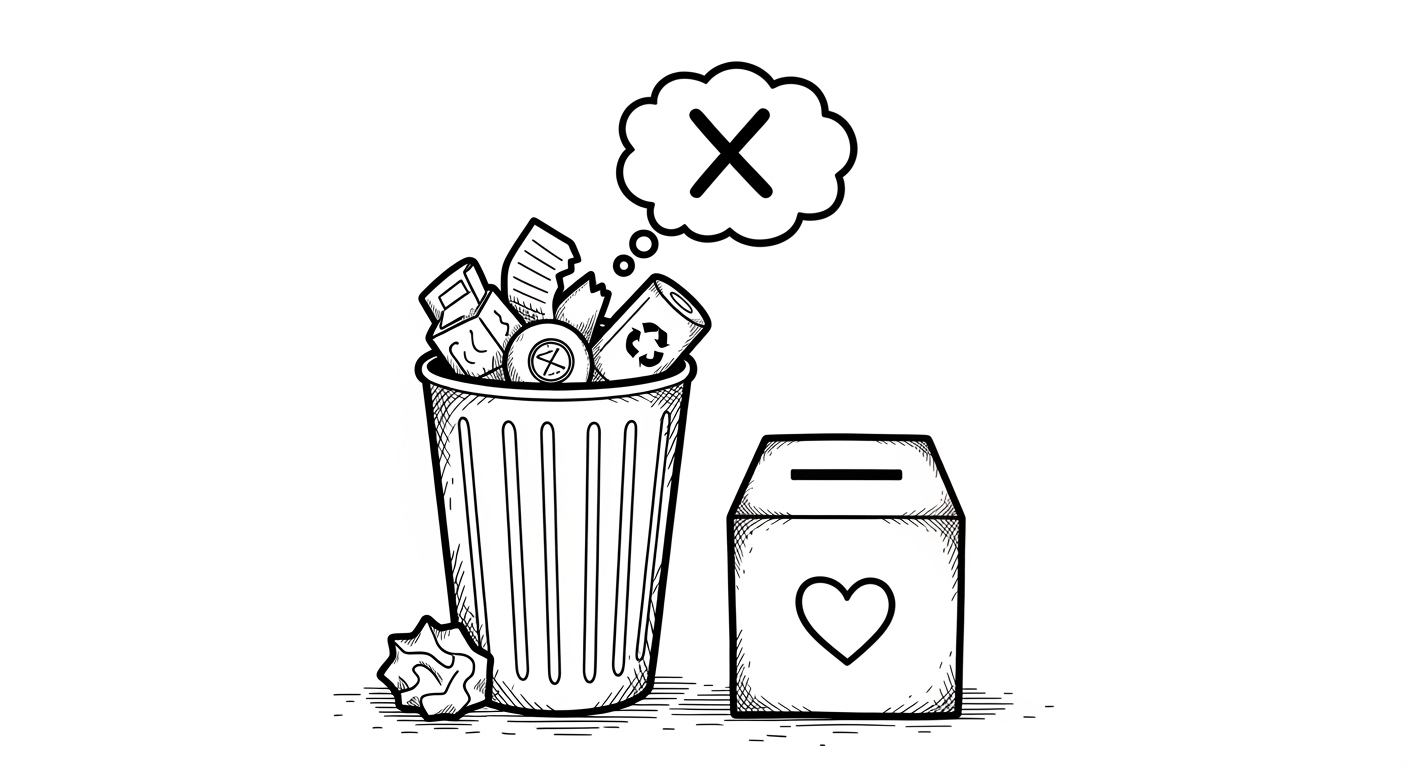
Sustainable Exit Strategies
When you declutter, don’t just throw things in the trash. AP News highlights the global crisis of textile waste. We must be responsible.
Donate items to local charities. Sell high-value items to build your sinking funds. Recycle whatever is left through proper channels.
This “Circular Economy” approach ensures your minimalism doesn’t hurt the planet. It makes the process feel better and more meaningful.
By selling unused items, you can even jumpstart your financial freedom journey. Less stuff equals more liquid cash.
Maintenance: Preventing the Rebound
Many people declutter once and then fill the house back up. This is the “Rebound Effect.” You must have a system to stay minimalist.
Use habit stacking to keep surfaces clear. For example, clear the counter every time you finish making coffee.
Follow the “One In, One Out” rule. If you buy a new shirt, one old shirt must go. This keeps your inventory stable and prevents lifestyle creep.
Check out the latest news on The Guardian for more tips on maintaining a tidy home throughout the year.
Final Verdict: Is Minimalism Worth It?
Yes. Minimalism is more than a design choice. It is a mental health strategy. Our Expert Review Analysis confirms that owning less leads to a richer life.
Start with one drawer today. You will feel the weight lift off your shoulders immediately. [AFFILIATE LINK: Best Minimalist Storage Bins 2024]