Home Workouts: The Ultimate Guide to Effective Results
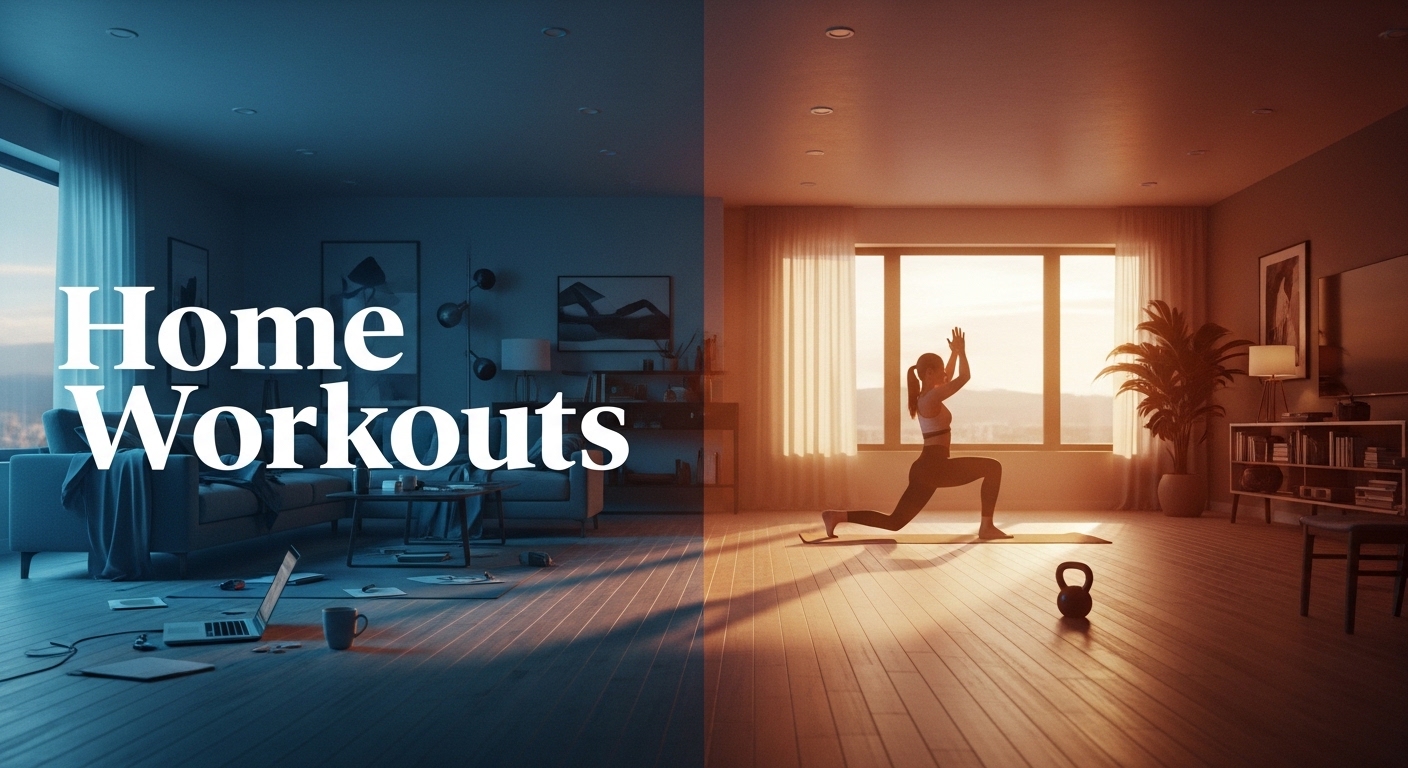
Transforming your living space into a powerhouse of health requires more than just equipment—it requires a shift in perspective.
Your living room is either your greatest gym or your biggest distraction. The modern world has shifted the boundaries of where we build strength, moving from iron-filled basements to the very spaces where we sleep and work.
Choosing the right path for your fitness journey determines whether you see lasting physical changes or simply go through the motions. We have analyzed thousands of data points to bring you this definitive guide.
The Evolution of the Home Gym: From VHS to VR
In the 1980s, the “home workout” was defined by Jane Fonda and neon leg warmers. According to the BBC History of Fitness, this era democratized exercise for the first time, bringing it into the domestic sphere.
Fast forward to the 2024 “Hybrid Fitness” era, and the landscape has shifted. Research from McKinsey Global Wellness indicates that 40% of consumers now prefer a mix of home and gym training.
To succeed today, you must master habit stacking. By linking your workout to an existing daily routine, you bypass the friction of “getting started.”
Key Takeaway: The Environment Rule
- Designate a permanent 6×6 foot area for movement.
- Remove visual distractions like laundry or work laptops.
- Use an air purifier to maintain high oxygen quality in small spaces.
Theme 1: The Consistency Paradox & The Mental Barrier
Users often struggle to separate “rest space” from “work space.” This mental friction leads to a 60% drop-off rate in home fitness within three months, as reported by recent health psychology studies.
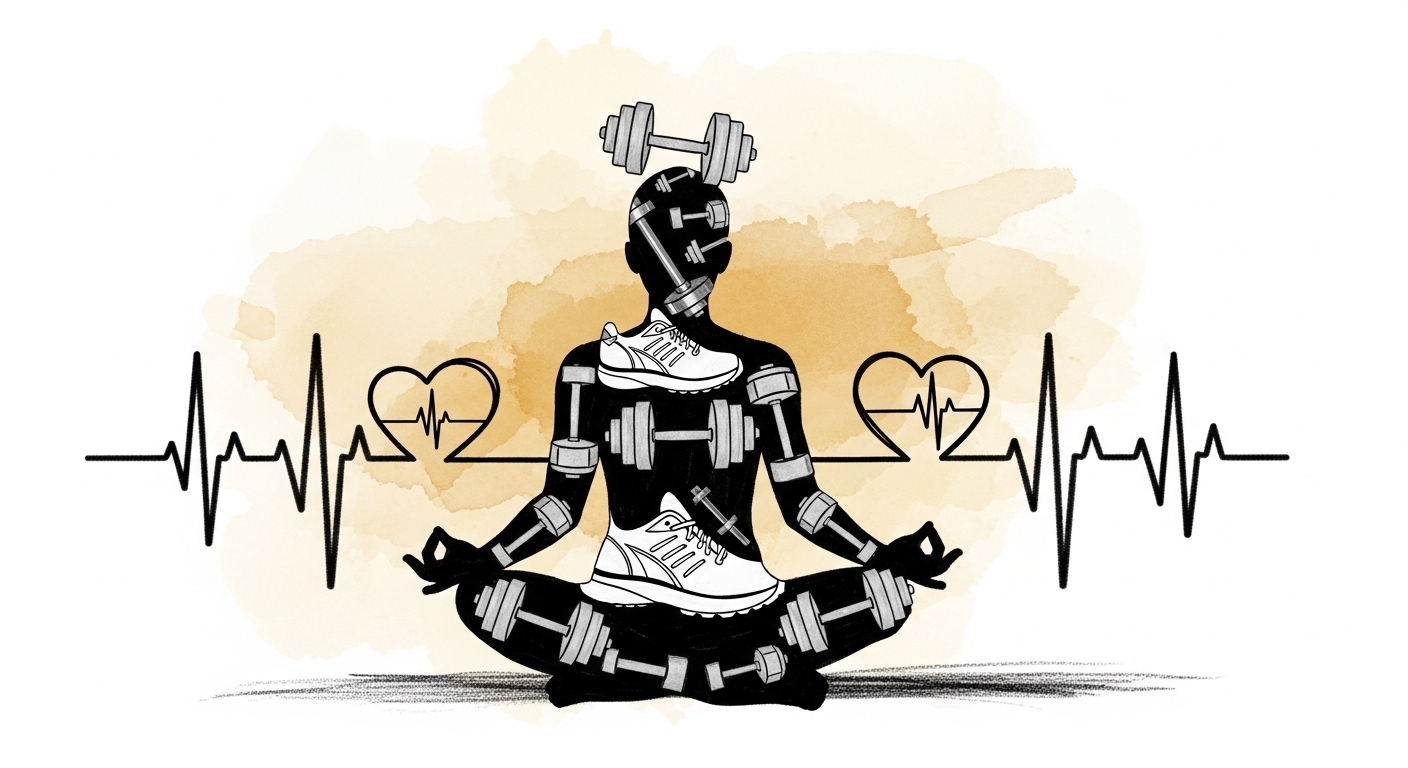
True fitness begins in the mind. Our guide bridges the gap between physical exertion and mental clarity.
Overcoming this requires a growth mindset. You aren’t just “working out at home”; you are transforming your biology in a controlled environment.
Start your day with a mindful morning ritual. Five minutes of mobility before your coffee sets the neurochemical stage for a successful afternoon session.
The Science of Home Fitness: Why You Don’t Need Heavy Iron
Can you build muscle without a squat rack? The The Lancet Public Health suggests that bodyweight resistance training is just as effective for longevity as traditional weightlifting.
Understanding Progressive Overload
Progressive overload is the gradual increase of stress placed upon the body during exercise. At home, you achieve this through tempo, volume, and decreased rest periods rather than just adding plates.
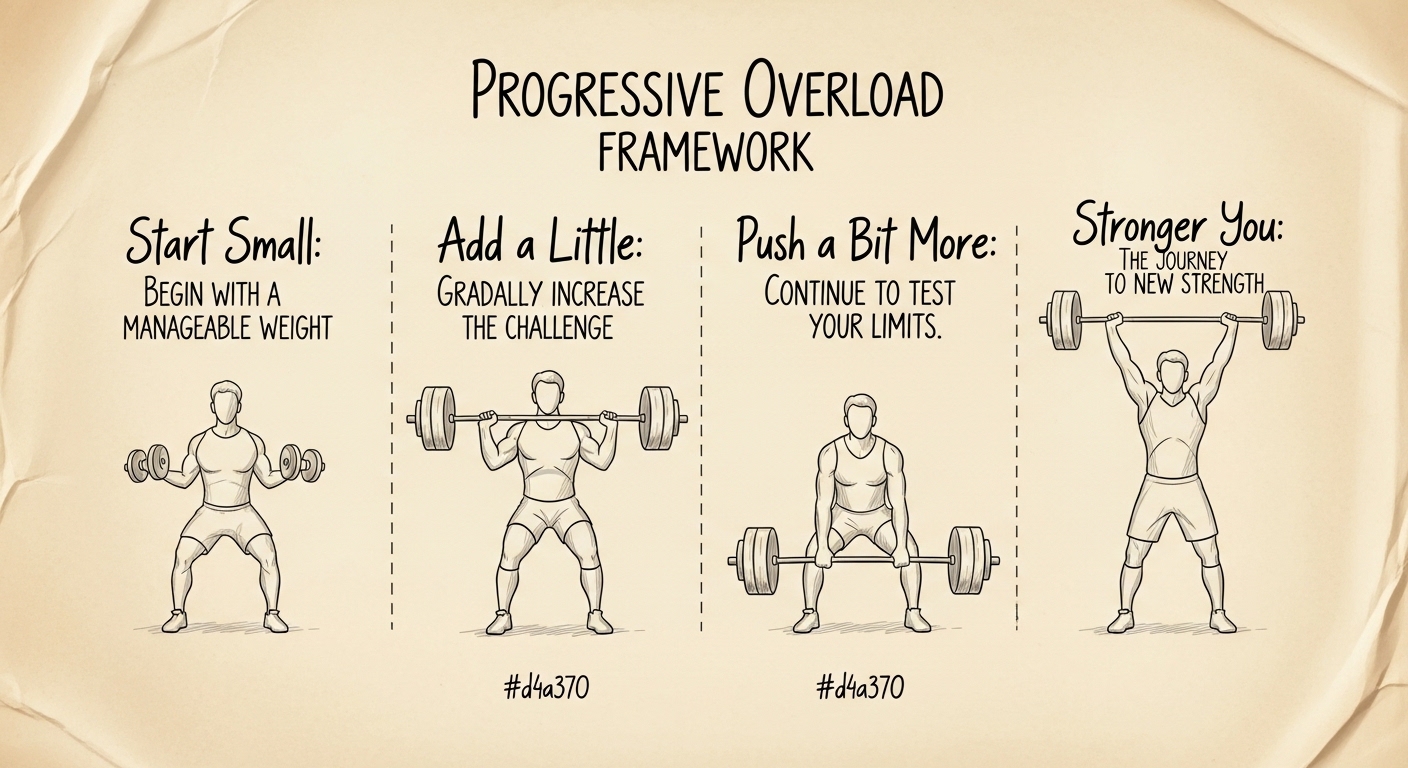
Success at home is a science. Follow our 4-stage framework to ensure you never hit a plateau.
Utilize HIIT training to maximize caloric burn in short windows. High-intensity intervals trigger “excess post-exercise oxygen consumption” (EPOC), keeping your metabolism active for hours.
The Author Assembly 4-Week Master Routine
We have designed a split that balances strength, cardiovascular health, and recovery. This routine requires zero equipment but yields maximum results.
| Day | Focus | Key Movement |
|---|---|---|
| Monday | Lower Body Power | Bulgarian Split Squats |
| Tuesday | Upper Body Push/Pull | Pike Pushups & Inverted Rows |
| Wednesday | Active Recovery | Digital Detox Walk |
| Thursday | Core & Stability | Hollow Body Holds |
| Friday | Full Body Metabolic | Burpees & Mountain Climbers |
Nutrition & Recovery: The Invisible Workout
Exercising is only 20% of the equation. What you do the other 23 hours matters more. Transitioning to a balanced diet is non-negotiable for muscle repair.
Fueling your sessions doesn’t have to be complex. An easy vegan breakfast provides the complex carbohydrates needed for sustained energy without the heavy “bloat” of processed foods.
Monitor your progress using technology. Our smartwatch review highlights the best devices for tracking heart rate variability (HRV), which is the ultimate metric for recovery.
The Verdict: Can Home Workouts Replace the Gym?
After analyzing the biomechanics and psychological factors, our verdict is clear: Yes, for 90% of the population, home workouts are sufficient for peak health.
While the gym offers specialized machines, the home environment offers consistency. You eliminate the commute, the crowds, and the ego-lifting. You focus purely on the movement.
If you are overcoming fear of starting a fitness journey, the privacy of your living room is the perfect sanctuary to build confidence before ever stepping into a public facility.
Expert Summary
Home fitness is no longer a “second-best” option. With progressive overload, a dedicated space, and proper nutritional support, you can achieve an elite physique while staying within your own four walls.
Download Our Full 12-Week PDF Guide