The Balanced Diet Lie: Your Ultimate Guide to Real Health
Forget the quick fixes and confusing fads. The truth about a balanced diet isn’t a secret—it’s a sustainable lifestyle that unlocks boundless energy, sharpens your mind, and builds a foundation for lifelong wellness. This guide will show you how to achieve balanced nutrition without the stress.

Debunking the Diet Myths: How to Find Your Truth in a World of Noise
If you’ve ever felt overwhelmed by conflicting nutrition advice, you’re not alone. One day, fat is the enemy; the next, it’s carbs. This constant barrage of information makes achieving a balanced diet feel like navigating a minefield. The truth is, the core principles of healthy eating are timeless, but they’ve been buried under layers of marketing hype and social media trends. Let’s cut through that noise and rediscover the foundations of a truly healthy diet plan.
The Whiplash Effect: From Low-Fat to Keto Chaos
Think back just a couple of decades. The early 2000s were dominated by the low-fat craze. Supermarket shelves were filled with “fat-free” cookies, snacks, and dressings, often loaded with sugar and refined carbohydrates to compensate for the lack of flavor. The prevailing wisdom, supported by early interpretations of dietary guidelines, was that dietary fat was the primary driver of heart disease and weight gain. We were told to trim the fat from our meat, switch to skim milk, and avoid butter at all costs.
Then, the pendulum swung violently in the opposite direction. The Atkins diet made a roaring comeback, and soon after, the ketogenic (keto) diet exploded in popularity, fueled by social media influencers and celebrity endorsements. Suddenly, fat was our friend, and carbohydrates were the villain. We were encouraged to eat bacon, butter, and avocados while meticulously counting every gram of carbohydrate. This was followed by a surge in plant-based and vegan diets, which moved from a niche lifestyle to a mainstream movement, questioning the role of animal products altogether. This rapid, often contradictory, evolution of dietary advice has created a ‘whiplash’ effect for consumers, leaving many in a state of perpetual confusion and analysis paralysis. “What does a truly balanced diet look like?” became a question with a thousand different answers.
Today’s Battleground: Processed Foods vs. Personalized Nutrition
The conversation has matured in recent years. The focus is shifting away from demonizing single macronutrients and toward a more nuanced understanding of food quality and individual needs. Two major themes dominate the current landscape: the dangers of ultra-processed foods (UPFs) and the rise of personalized nutrition.
A groundbreaking umbrella review in the British Medical Journal, published in February 2024, sent shockwaves through the public health community. As reported by The Guardian, the review linked UPFs to 32 adverse health outcomes, including heart disease, type 2 diabetes, obesity, and depression. This has solidified the understanding that it’s not just about carbs, proteins, and fats; it’s about the degree of processing a food undergoes. Simultaneously, the conversation around weight loss is being reshaped by the emergence of GLP-1 agonist drugs like Ozempic, forcing a re-evaluation of diet, willpower, and medical intervention. The debate is no longer just ‘carbs vs. fats’ but ‘whole foods vs. processed’ and ‘lifestyle vs. medication.’
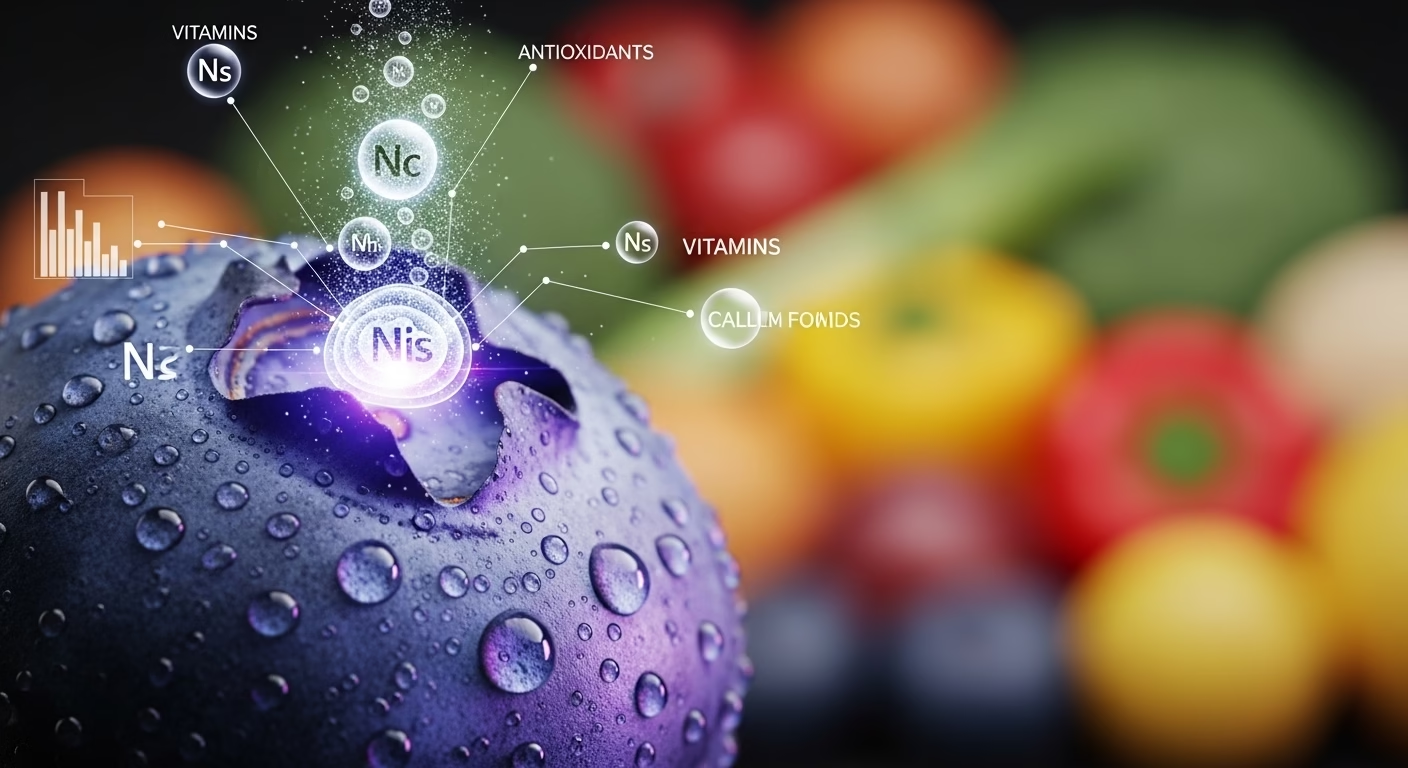
The Science of Confusion: Why So Much Advice Backfires
Why does all this information leave us less healthy? According to the CDC, 41.9% of American adults are obese, a statistic that has steadily climbed despite the explosion of diet content. The problem lies in the gap between information and effective application. A 2021 study in the journal ‘Appetite’ revealed a troubling psychological effect: exposure to conflicting dietary advice on social media can erode an individual’s self-trust in making food choices. When we’re told one week to avoid eggs and the next to eat three a day, we lose confidence in our ability to make the “right” decision, often leading to inaction or a return to familiar, unhealthy habits.
This confusion is a goldmine for the diet industry, which thrives on selling the next “magic bullet.” But a proper balanced diet isn’t about magic; it’s about patterns. This is where established, evidence-based models come in.
“We are moving away from a one-size-fits-all approach. The future of nutrition is personal, based on an individual’s genetics, microbiome, and lifestyle. The key is to focus on dietary patterns rather than demonizing single nutrients.”
Your 4-Step Framework for Nutritional Clarity
So, how can you start eating a balanced diet today without getting lost? Here is a simple, 4-step framework to build a sustainable and effective healthy eating plan.
-
Master the FoundationsInstead of chasing trends, anchor your habits in proven dietary patterns. Models like the Mediterranean Diet or Harvard’s Healthy Eating Plate are not restrictive “diets” but flexible frameworks. They all share a common core: prioritizing whole foods like vegetables, fruits, whole grains, lean proteins, and healthy fats while minimizing processed items, added sugars, and unhealthy fats. This is the essence of balanced diet essentials.
-
Identify Your ‘Why’Your nutrition plan should serve your unique goals. Are you trying to manage weight, boost energy for workouts, improve mental clarity, or manage a health condition? Defining your personal ‘why’ acts as a powerful filter. Advice that doesn’t align with your specific goals can be safely ignored, simplifying your decision-making process.
-
Practice Critical ConsumptionBecome a savvy consumer of health information. Learn to spot red flags: promises of rapid, effortless weight loss; the complete elimination of entire food groups without a medical reason; advice that isn’t backed by registered dietitians or peer-reviewed science; and recommendations that conveniently lead to purchasing a specific supplement or product.
-
Implement the 80/20 RulePerfection is the enemy of progress. Aiming for a perfectly “clean” diet 100% of the time is a recipe for burnout and failure. Instead, adopt the 80/20 rule. Focus on making nourishing, whole-food choices 80% of the time. The other 20% allows for flexibility, social events, and enjoying your favorite treats without guilt. This approach fosters a healthy relationship with food and is far more sustainable in the long run.
The future of nutrition, as highlighted by Medical News Today, lies in personalization. We’re moving toward a world where AI-driven apps might analyze data from our wearables to give hyper-specific advice. But until then, these four steps provide a powerful, timeless foundation for anyone looking to build a genuinely balanced diet.
Healthy Eating on a Budget: Busting the Myth That Nutrition is a Luxury
One of the most persistent barriers to eating a balanced diet is the pervasive belief that it’s expensive. In an era of rising food costs, the idea of filling your cart with fresh produce and lean protein can seem daunting. But is healthy eating truly a luxury reserved for the wealthy? The truth is, with smart planning and a shift in perspective, a nutrient-dense diet can be more affordable than a diet of convenience foods.
The Inflation Squeeze: Why Healthy Food Feels So Expensive
The perception that healthy food is costly isn’t just in our heads. Over the past five years, global food price inflation, pandemic-related supply chain disruptions, and geopolitical events have genuinely increased the cost of groceries. The Food and Agriculture Organization (FAO) of the UN has consistently tracked this rise, showing a stark increase that directly impacts household budgets. This economic pressure is compounded by clever marketing. The wellness industry has successfully positioned expensive “superfoods,” organic-everything, and boutique health products as essential for good health, making the average person feel like they can’t afford to be healthy.

The Reality on the Ground: Stubborn Prices and Tough Choices
Even as overall inflation begins to cool, grocery prices for staples remain stubbornly high. As Reuters reported, items like eggs, fresh produce, and lean meats have seen significant price hikes, forcing many families and busy professionals to make difficult choices. When faced with a tight budget and limited time, the cheaper, more convenient, and often less nutritious option can be incredibly tempting. This isn’t a matter of willpower; it’s a matter of practicality. A 2022 study in the ‘Journal of Nutrition Education and Behavior’ confirmed this, finding that perceived cost is a primary barrier preventing people from consuming more fruits and vegetables. Furthermore, USDA data revealed that 12.8% of U.S. households were food insecure in 2022, highlighting that this is a harsh economic reality for millions.
“The myth that healthy eating has to be expensive is one of the biggest obstacles. Nutrient-dense foods like beans, lentils, eggs, and frozen vegetables are some of the most affordable items in the grocery store. The key is planning and cooking skills.”
Your 5-Step Blueprint for Affordable, Healthy Meals
Navigating high prices requires strategy, not a bigger paycheck. Here is a practical, 5-step guide to maintaining a healthy diet plan without breaking the bank. This is how you can implement simple meal prepping for a balanced diet.
-
1. Plan Your Meals Religiously
This is the single most effective strategy. Dedicate one hour each week to plan your meals for the upcoming week. Base your plan on what’s on sale and what you already have. From this plan, create a detailed shopping list. This eliminates impulse buys, which are often processed, expensive, and unhealthy. Sticking to your list is paramount.
-
2. Embrace Budget Superstars
Build your meals around low-cost, high-nutrient powerhouses. These include:
- Proteins: Lentils, beans (canned or dried), eggs, and canned tuna/salmon.
- Carbohydrates: Oats, brown rice, potatoes, and whole-wheat pasta.
- Produce: Buy what’s in season. Don’t overlook the frozen aisle—frozen fruits and vegetables are picked at peak ripeness, locking in nutrients, and are often cheaper than fresh with zero waste.
-
3. Cook Once, Eat Twice (or Thrice)
Batch cooking is a game-changer. When you’re making chili, a stir-fry, or roasting vegetables, double the recipe. This ensures you have a healthy, ready-to-eat meal for a busy weeknight, saving you from the temptation and expense of takeout. It saves time, energy, and money.
-
4. Master the Art of Reducing Food Waste
The average American family throws away hundreds of dollars worth of food each year. Before you shop, conduct a ‘fridge audit’ to see what needs to be used up. Learn to use scraps—vegetable peels and ends can make a flavorful stock, and stale bread can become croutons. Store produce correctly to extend its life.
-
5. Shop Smarter, Not Harder
Develop savvy shopping habits. Always compare unit prices to see the true cost of an item. Don’t be afraid to buy store brands; they are often identical to name brands but significantly cheaper. Explore discount grocery stores like Aldi or Lidl. And as CNBC suggests, using digital coupons and loyalty programs can lead to substantial savings over time.
The future may bring even more tools to help, such as apps that compare grocery prices in real-time or suggest recipes based on sale items. But for now, these timeless strategies prove that a balanced diet is accessible to everyone, regardless of their budget.
Reading Between the Lines: How to Decode Food Labels and Outsmart Marketers
The supermarket aisle is a battlefield for your attention. Food packaging is plastered with buzzwords like “all-natural,” “keto-friendly,” and “gluten-free.” These terms create a “health halo,” making us believe a product is healthier than it actually is. To build a truly balanced diet, you must become a food detective, capable of seeing past the marketing hype and understanding what the nutrition label is really telling you.
The “Health Halo” Deception: A History of Misleading Claims
For years, food marketing has become increasingly sophisticated. Marketers know that consumers are looking for healthier options, so they use specific language to trigger a purchase. A bag of candy labeled “made with real fruit” might still list sugar as its first ingredient. A “gluten-free” cookie is still a cookie, often packed with refined starches and sugar. This isn’t illegal; it’s just clever marketing. As the Cleveland Clinic explains, this “health halo” effect can lead us to overeat a product or ignore its less-desirable nutritional qualities. Regulatory bodies like the FDA have historically struggled to keep pace, creating a wild west of health claims that benefit manufacturers more than consumers.

The FDA Fights Back: A New Definition of ‘Healthy’
Recognizing this problem, the regulatory landscape is finally starting to shift. In a significant move, the FDA has proposed a new rule to update the definition of “healthy” on food labels. As The New York Times reported, under the new proposal, for a product to bear the “healthy” claim, it must contain a meaningful amount of food from at least one of the recommended food groups (like fruits, vegetables, or dairy) and adhere to strict limits on sodium, added sugars, and saturated fat. This is a crucial step toward aligning package claims with modern nutrition science, as laid out in the U.S. Dietary Guidelines. It aims to disqualify many sugar-laden breakfast cereals and low-fat yogurts that currently use the claim, while allowing nutrient-dense foods like nuts, seeds, and salmon to qualify.
“The front of the package is marketing; the truth is on the back. Consumers need to become detectives. My rule of thumb is to focus on the first five ingredients and the amounts of added sugar, sodium, and fiber. If you can’t pronounce the ingredients, you probably shouldn’t be eating it regularly.”
Your 3-Step Protocol for Label Literacy
You don’t have to wait for new regulations to become a smarter shopper. Mastering the nutrition label is a skill that empowers you to make informed choices for your balanced nutrition goals. Here is a simple 3-step protocol:
The Gut-Brain Axis: Why a Balanced Diet is the Best Medicine for Your Mind
For decades, we’ve focused on how a balanced diet impacts physical health—our weight, heart, and risk of disease. But one of the most exciting frontiers in nutrition science is the profound connection between what we eat and how we feel, think, and behave. The gut-brain axis is not a wellness trend; it’s a complex communication network that links our digestive system directly to our brain, and nourishing it is crucial for mental clarity, mood stability, and cognitive function.
From Fringe Science to Frontline Wellness: The Rise of Nutritional Psychiatry
The idea that food affects mood is ancient, but the scientific field of Nutritional Psychiatry has exploded in the last five years. It has moved from the fringe to the forefront of mental health discussions. We now understand that the gut is home to trillions of microorganisms—our microbiome—that play a critical role in our health. These microbes help produce neurotransmitters like serotonin (the “happy chemical”), regulate inflammation, and communicate with the brain via the vagus nerve. An unhealthy gut microbiome, often caused by a diet high in processed foods and sugar, can send inflammatory signals to the brain, contributing to conditions like anxiety and depression. Major institutions like Harvard Health and the WHO are now actively publishing research linking specific dietary patterns to mental health outcomes.
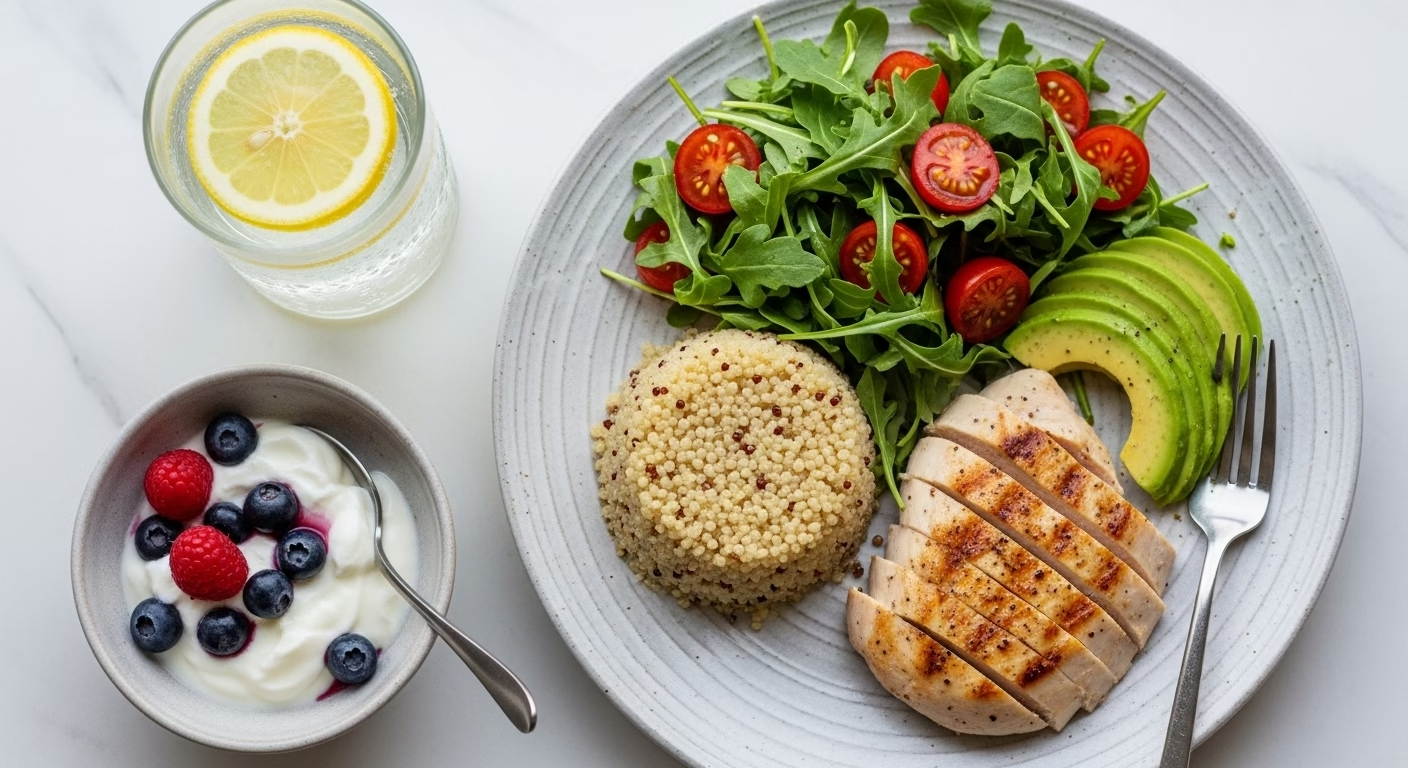
The Hard Evidence: Linking Diet to Depression and Cognition
This isn’t just theory; it’s backed by robust clinical evidence. The landmark 2017 ‘SMILES’ trial was one of the first randomized controlled trials to demonstrate that improving diet quality, specifically by adopting a modified Mediterranean diet, could be an effective treatment for major depression. Participants in the dietary intervention group saw significant improvements in their symptoms compared to a control group. More recently, the focus has turned to the detrimental effects of processed foods. A 2023 study in ‘JAMA Neurology’, covered by outlets like CNN, found a direct link between high consumption of ultra-processed foods and a greater risk of cognitive decline. With nearly 1 in 5 U.S. adults living with a mental illness, according to the National Institute of Mental Health, leveraging diet as a supportive strategy is more critical than ever.
“The gut is our second brain. A diet rich in a diversity of plant fibers, fermented foods, and healthy fats feeds the beneficial microbes that produce neurotransmitters like serotonin and dopamine. It’s one of the most powerful tools we have for influencing our mood and brain health.”
A 4-Pillar Dietary Framework for Peak Brain Health
So, how do you eat for a healthier brain? It comes down to four key pillars that support a thriving gut microbiome and reduce inflammation. For a deep dive into cooking techniques, you might explore online healthy cooking classes for beginners.
-
Pillar 1: Feed Your Microbiome with Fiber and Ferments
Your gut microbes thrive on diversity. Aim to eat a wide variety of fiber-rich plants—the goal is 30+ different types per week. This sounds daunting, but it includes vegetables, fruits, whole grains, legumes, nuts, and seeds. Each plant feeds different beneficial bacteria. Also, incorporate fermented foods like plain yogurt, kefir, kimchi, sauerkraut, and miso, which introduce beneficial probiotics directly into your system.
-
Pillar 2: Prioritize Anti-Inflammatory Omega-3s
Omega-3 fatty acids are crucial for brain structure and function, and they are powerful anti-inflammatories. The best sources are fatty fish like salmon, mackerel, herring, and sardines. Aim for at least two servings per week. Plant-based sources include walnuts, flaxseeds, and chia seeds.
-
Pillar 3: Boost Brain-Protecting Antioxidants
Your brain is metabolically active and generates a lot of oxidative stress. Antioxidants from food help neutralize this damage. The best way to get a wide range is to “eat the rainbow.” Focus on deeply colored fruits and vegetables like berries, leafy greens (spinach, kale), beets, and broccoli. Spices like turmeric are also potent sources.
-
Pillar 4: Minimize Brain Drainers
Just as important as what you add is what you limit. Ultra-processed foods, refined sugars, and artificial sweeteners can promote inflammation and negatively impact the gut microbiome, which in turn can affect your mood and cognitive function. A diet high in these foods is a major drain on brain health.
Frequently Asked Questions About Achieving a Balanced Diet
- Carbohydrates: Your body’s primary energy source, found in whole grains, fruits, and vegetables.
- Proteins: Essential for building and repairing tissues, found in meat, fish, beans, and nuts.
- Fats: Crucial for hormone production and vitamin absorption. Focus on healthy fats from avocados, nuts, seeds, and olive oil.
- Vitamins: Micronutrients that perform hundreds of roles, from boosting immunity to converting food into energy.
- Minerals: Essential for functions like building strong bones (calcium) and carrying oxygen in the blood (iron).
- Fiber: A type of carbohydrate that’s vital for digestive health and feeding your gut microbiome.
- Water: The most critical component, essential for nearly every bodily function. Proper hydration is a cornerstone of any healthy diet plan.
Starting can feel overwhelming, so focus on small, manageable changes. Don’t try to overhaul your entire diet overnight. Pick one thing to focus on this week. For example:
- Add one more vegetable to your dinner each night.
- Swap one sugary drink (like soda) for a glass of water.
- Switch from white bread to 100% whole wheat bread.
- Protein: Ensure you’re eating a variety of plant-based protein sources like lentils, beans, tofu, tempeh, quinoa, and nuts.
- Iron: Plant-based iron is less easily absorbed, so pair iron-rich foods (like spinach and lentils) with a source of Vitamin C (like bell peppers or citrus) to enhance absorption.
- Vitamin B12: This is the one nutrient not reliably found in plant foods, so a B12 supplement is essential for vegans.
- Omega-3s: Incorporate sources like flaxseeds, chia seeds, and walnuts.
Your Journey to a Balanced Life Starts Now
The “balanced diet lie” isn’t that balance is impossible, but that it’s a rigid, complicated, and perfect destination. The truth is that a balanced diet is a flexible, forgiving, and deeply personal journey. It’s about progress, not perfection. It’s about nourishing your body with whole foods, listening to its signals, and building sustainable habits that bring you energy and joy.
You now have the tools to cut through the noise, shop smarter, and eat in a way that fuels both your body and your mind. Forget the fads and focus on the fundamentals. Take one small step today—add a vegetable, read a label, plan one healthy meal. That single step is the beginning of a powerful transformation. For those interested in how technology is changing other industries, check out our article on AI in the fashion world.
Start Your Journey – Back to Top